Choose a Custom Jewelry Atelier: The OEM Sourcing
Bench notes · The Journal
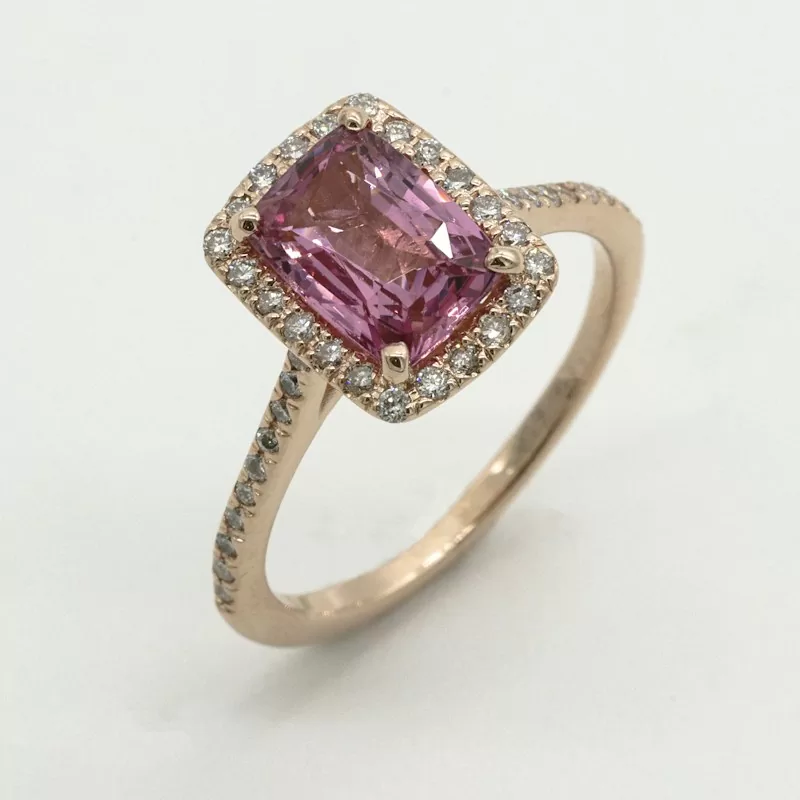
A Berlin DTC jewelry brand went through three factories in eighteen months. The first could not hold a size standard; the second could not hit the plating spec; the third quoted a fair price but could not export without the brand's team clearing customs (FTC jewelry industry guides) by hand. By the time the brand reached us, it had lost two selling seasons and a lot of trust with its own customers. The pattern was not bad luck; it was a sourcing decision made on price and lead time alone. Choosing a custom jewelry atelier is an OEM partnership decision, and the questions below are the ones that should have been asked before the first PO. If you are about to place a custom order, work through this list before you sign.
01Why new OEM relationships fail in year one
Roughly six in ten new buyer–factory relationships do not survive the first year. The reason is almost never that the factory is dishonest; it is that the buyer optimized for two variables—unit price and lead time—and left the rest implicit.
| What buyers usually check | What actually sinks the partnership |
|---|---|
| Unit price | Revision creep raising the real cost |
| Lead time | No resin-print approval, so delays hide until casting |
| Sample photo | No QC sheet, so the bulk order drifts from the sample |
| MOQ | No held master, so reorders do not match |
| Website | No export track record, so customs stalls the parcel |
The checklist below is the set of questions that surfaces these gaps before a deposit is paid. Ask them of any atelier you are considering; the answers themselves are the qualification.
02The checklist, with the answers we give
- How many CAD revisions are included, and what does each cost after? We include two revisions in the unit price and quote further changes before work begins. If a factory says "unlimited" in a sales call, get it in writing; unlimited revisions almost always mean revision creep on the invoice.
- Do you ship a resin print for approval before casting? Yes, on every new design. A factory that skips the print approval on reorders is the one that surprises you with a proportion problem after metal is committed.
- What is the porosity target on casting? Under 5%, with voids re-cast rather than filled. Ask the follow-up: do you re-cast or fill? The answer tells you everything.
- How do you test prongs? We pull-test every prong at 1.5 kg. A visual check is the industry norm and the reason loose stones cluster in the first 90 days.
- What is the rhodium plating thickness? 0.5 µm, against the 0.3 µm norm. On white gold and sterling, that is the difference between a piece that stays bright for a year and one that yellows in a season.
- What certifications travel with the stones? GRA for moissanite, IGI for lab-grown, GIA for natural. Ask how the cert number is logged to the parcel—that is how you close the certificate-mismatch complaints.
- What is the MOQ, and what does it drop to on reorders? We open at 20 pieces per design for production and 50 for private label; reorders on an approved master drop to 30. A single high MOQ across opening and reorder forces overstock.
- Do you hold the CAD and resin master? Yes, under your account, released only against your PO. Without a held master, your second order drifts from the first.
- Can you ship DDP to the US or EU, with the right customs docs? Yes. Ask whether the factory has actually exported to your market; a website that says "worldwide" is not the same as a track record.
- What is the defect rate you will put in writing? We hold under 5% on production and under 3% on repair. If a factory will not commit to a number, that silence is itself the answer.
03How to weight the checklist, by where your business sits
Startups (first production order). Weight the MOQ, the resin print approval, and the held master hardest. You cannot afford a warehouse-sized first bet, and you need reorders to match. Run a 20-piece trial before a full drop.
Scaling boutiques and DTC brands. Weight the QC sheet, the prong pull, and the plating thickness. These are the numbers that move your 90-day return rate from double digits toward under 5%. We export to US and EU buyers and have run quarterly reorders where the second drop matched the first within tolerance.
Private-label programs. Weight the design-ownership clause, the packaging spec, and the DDP paperwork. You are entrusting your brand's look to the factory; make sure the master, the mark position, and the packaging are all in the master agreement.
04Frequently Asked Questions
What is the first question to ask a custom jewelry atelier?
Ask how many CAD revisions are included and what further revisions cost. The answer separates a factory that prices transparently from one that absorbs revisions quietly and raises unit cost later. Get it in writing before the deposit.
Is a low unit price the best reason to choose a factory?
No. A low unit price without a resin-print approval, a held master, and a written defect rate usually shows up as rework, returns, and a second factory inside a year. Price is one variable; consistency is the one that protects your margin.
Should I order a sample before a full production run?
Yes. A 20-piece trial order on one design lets you check the resin print approval, the QC sheet, and the plating before you commit to a full drop. The trial costs more per piece and saves a re-make at scale.
How do I verify a factory's export claims?
Ask for DDP shipping to your port and for the commercial invoice format they use. A factory that has actually exported to your country will produce the paperwork without hesitation; one that has not will ask you to handle customs yourself.
What defect rate should a custom jewelry partner commit to in writing?
Under 5% on production and under 3% on repair work is a reasonable best-practice target. A factory that will not commit to a number in writing is asking you to absorb the risk it will not measure.
05Key takeaways
Talk to our atelier: free sourcing review, sample parcel at MOQ 20 pcs, DDP to US/EU, held master under your account. See the OEM service, the private label program, and the workshop.
Rhodium plating, which gives white gold jewelry its bright finish, is covered in the Wikipedia article on rhodium.
06Related Reading
Send a sketch or a photo — our setter will answer with stone options and a price band.
Talk to the atelier


