Channel Set Wedding Bands: Durability and What to Look For
Bench notes · The Journal
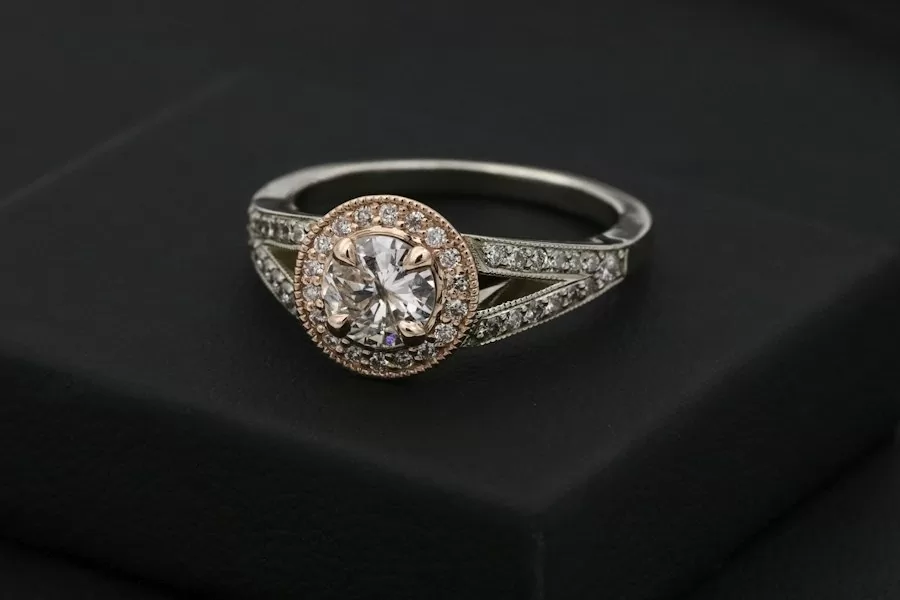
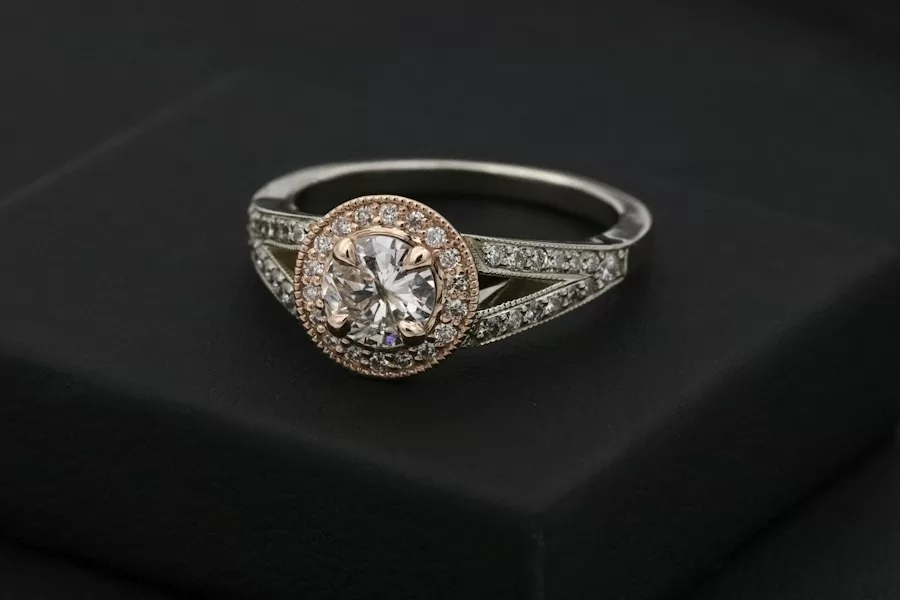
Channel setting is one of the cleanest ways to put stones in a wedding band. Instead of prongs holding each stone, two metal rails run along the top of the ring and trap the stones between them. There are no prong tips to catch on sweaters, no edges to snag on hair, and the surface of the band is smooth enough to run a finger over without feeling a single stone.
01Why people choose channel setting
The appeal is practical. Prong-set bands look brighter because light enters the stones from the sides, but prong tips wear. After a few years, prongs catch, bend, and occasionally shed a stone. A channel band has no tips to wear. The stones are protected on both sides by metal.
This makes channel setting a natural choice for people who work with their hands—teachers, nurses, cooks, mechanics—who cannot risk a prong catching on gloves or fabric. It is also a favorite for stacking: a smooth band slides against an engagement ring without scratching it.
02What makes a channel band durable
Not every channel band is built the same. The quality difference lives in three details:
03What channel setting does poorly
Channel setting hides a lot, and that is its weakness. A stone that is chipped or slightly cloudy is easier to hide because only the table—the flat top—is visible. That means a bargain channel band may be using lower-grade stones that would look poor in a prong setting where every facet is visible. Ask to see the stones under magnification before and after setting.
Channel bands also magnify small color differences because stones sit in a continuous row. One slightly yellower stone in a line of white diamonds jumps out. A good setter sorts stones by color and clarity to keep the row even; a rushed one does not.
04Sizing and repairs
Sizing a channel band is possible but needs care. Cutting the shank means cutting the channel, which means removing stones from one section, soldering, and resetting them. A competent bench can do this without losing stones, but it is more involved than resizing a plain band. Size it right the first time.
Cleaning is straightforward because there are no prongs to trap soap. Warm water, mild dish soap, and a soft brush under the stones keeps the row bright. Avoid ultrasonic cleaners if your channel band uses softer stones like sapphires set with tension—stick to steam and hand cleaning for anything but diamonds.
05Who should skip channel setting
If you want maximum sparkle, channel setting is not your answer. The rails block light from the sides, and the stones look slightly quieter than a pavé or prong row. If you want a band that reads loud and bright, choose prong or pavé. If you want a band you can forget you are wearing, channel setting is one of the most durable choices in jewelry.
06Choosing stone size and number
Channel bands come in two visual weights. A single row of 1.5 to 2mm stones reads delicate and pairs with most engagement rings. A double row or a row of 2.5 to 3mm stones reads as a statement band on its own. More stones means more points of failure, because each stone needs its own seat. For a daily wedding band, a single row of well-matched small stones is the safer long-term choice. Reserve the double-row look for a band you wear occasionally rather than every day.
Plating matters, too. A white-gold channel band will need rhodium re-dipping every two to three years, same as any white gold piece. That re-plating can seep into the channel and dull the stones if it is done without protecting the row. Ask your jeweler to remove the band from its plating cycle, or to clean the channel seats after re-dip so the stones stay bright. Small channels trap polish compound easily, so a professional steam clean after any plating job is worth the few minutes.
The history and conventions of engagement rings are outlined in the Wikipedia entry on engagement rings.
07Related Reading
08Frequently Asked Questions
What ring sizes can you supply in bulk?
US sizes 5–12 including half sizes. Send a size breakdown with your order and we cast to that curve; comfort-fit inner bands reduce resize requests.
Can I order a mixed size run instead of one size?
Yes. Mixed runs are standard for wholesale: specify quantity per size and we pack and label by size at no extra labor cost.
What is the MOQ for custom ring designs?
50 pieces per design for existing molds; 100–300 pieces when a new mold or CAD model is required.
How should I price rings for retail margin?
Most partners use a 3–4x markup on FOB cost for sterling and 2.5–3x for moissanite solos, which keeps landed cost under 30% of retail.
Related reading: Channel Set vs Pave Bands: Which One Actually Lasts?, Comfort Fit vs Standard Fit Wedding Bands: What You Feel on the Finger, Plain vs Diamond Wedding Bands: The Honest Trade-off.
Send a sketch or a photo — our setter will answer with stone options and a price band.
Talk to the atelier


