Who Owns the CAD File When You Order a Custom Ring?
Bench notes · The Journal
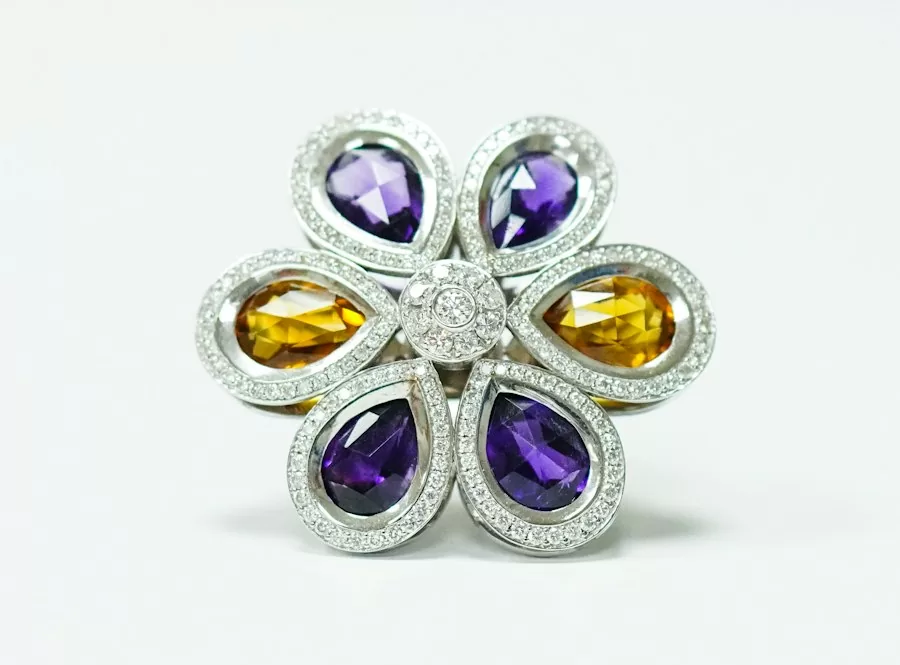
When you approve a render for a custom ring, you are approving a 3D model that took real work to build. That model is a CAD file, and it is the raw material for wax printing, casting, sizing adjustments, and future redesigns. Almost no buyer asks who owns that file at order time, and almost every buyer wishes they had. It is the most overlooked question in the whole custom design process, and it has practical consequences once the ring is on your finger.
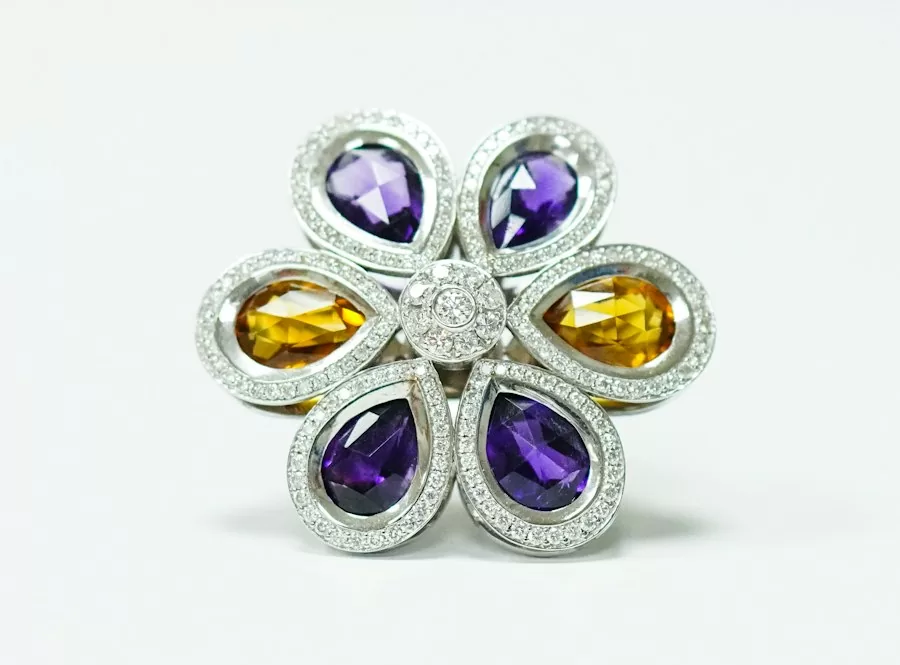
01What the CAD file actually does for you
After your ring is cast, the CAD file is not deleted; it sits in the jeweler's system and powers everything that comes next. Want a matching wedding band built off the same proportions? The CAD makes it a revision rather than a fresh design. Need to remake the ring in a different metal later? The file saves weeks. Want to turn the design into a pendant? Starting from the existing CAD is far cheaper than starting over. Understanding that the file is a reusable asset is the first step to caring who owns it.
02The default assumption catches people off guard
By default, most shops treat the CAD file as their own property. They built it, they own the labor, and they are not required to hand over a model file they spent hours sculpting. That is not unfair on its face; it is how design studios work across industries. The problem is that this is rarely explained, so the customer assumes they paid for "their design" and then learns later that any future edit has to go back through the original shop. We explain the workflow behind the render in how CAD revisions work, and ownership is the missing half of that conversation.
03When ownership becomes a real problem
The pain shows up in predictable situations. You move cities and want a local jeweler to resize or redesign, but the original file cannot be shared. You want a matching band, but the original shop has gone out of business and the file is gone. You are considering reproducing a family design and would rather control the master file yourself. In each case, having negotiated file access or a copy up front would have saved real money and time.
04What is reasonable to ask for
You do not need the raw sculpting project file in most cases. What is reasonable is written confirmation of two things: that you may commission future work based on the design, and that the shop will produce a sizing or revision file when you request work on the same piece. Some shops will email you a render or a simple STL export on request; others prefer to keep the master but guarantee future edits at a fair rate. Either answer is workable. The bad outcome is leaving the shop without ever asking, and assuming you own something you never discussed.
05What happens to designs that contain someone else's IP
If your custom design reproduces a licensed logo, a trademarked crest, or a famous copyrighted design, the ownership question gets more complicated regardless of what you agree. The CAD file reflects IP that is not yours to hand over. For team and organizational pieces, this comes up constantly; we touch on it in our championship ring guide. The rule of thumb: you can own a design that is original to you, but not a design that copies someone else's protected mark.
06The simple pre-order question
Add one sentence to your next custom inquiry: "If I later want a matching band, a redesign, or a remake in another metal, can we work from this design again, and is that covered in the quote?" The answer tells you everything. A confident, written yes means the shop treats future you as a customer. A vague answer means you should clarify before the wax is carved. It takes thirty seconds and prevents the most common post-purchase regret in custom jewelry.
07What happens when you leave a shop
Life moves. You move across the country, you change jobs, you find a jeweler closer to home. If the original CAD stays locked at the old shop, every future edit requires shipping the ring back, which adds time and insurance risk to routine work. If you have a written agreement that the design can be worked on elsewhere, a local jeweler can often handle a simple resize or a clean without that round trip. We are transparent about this because we would rather earn future work on service than lock customers in on a file.
The ring on your hand is the finished product, but the CAD behind it is the design's living blueprint. Knowing who holds that blueprint, and on what terms, turns a one-time transaction into a relationship that lasts for every redesign, resize, and anniversary piece that follows.
For HS classification of jewelry in customs and export documentation, the WCO Harmonized System nomenclature is the authoritative nomenclature.
08Authoritative References
For buyers who need to verify the technical and regulatory basis of this guide, the following independent institutions publish authoritative reference data:
09Related Reading
10Frequently Asked Questions
What ring sizes can you supply in bulk?
US sizes 5–12 including half sizes. Send a size breakdown with your order and we cast to that curve; comfort-fit inner bands reduce resize requests.
Can I order a mixed size run instead of one size?
Yes. Mixed runs are standard for wholesale: specify quantity per size and we pack and label by size at no extra labor cost.
What is the MOQ for custom ring designs?
50 pieces per design for existing molds; 100–300 pieces when a new mold or CAD model is required.
How should I price rings for retail margin?
Most partners use a 3–4x markup on FOB cost for sterling and 2.5–3x for moissanite solos, which keeps landed cost under 30% of retail.
Send a sketch or a photo — our setter will answer with stone options and a price band.
Talk to the atelier


