Brushed/Matte vs Polished Jewelry: Which Finish Wears
Bench notes · The Journal
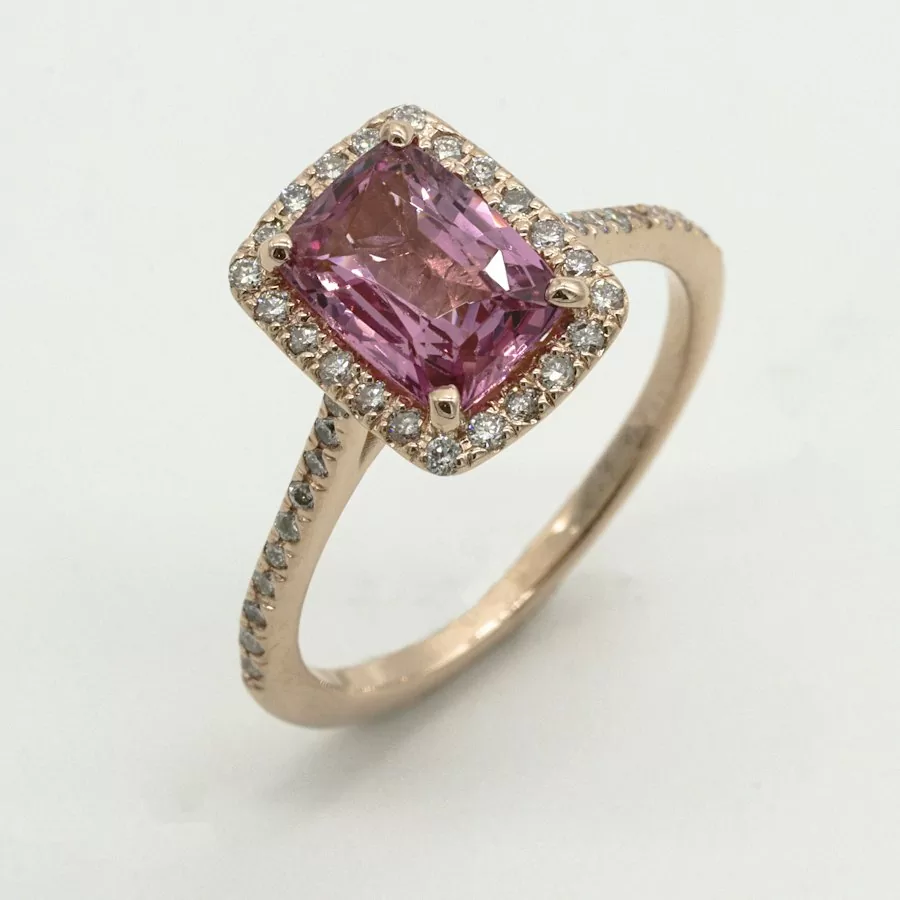
Two rings can use the exact same metal, the same band width, and the same setting, and still look completely different three years later. That difference almost always comes down to surface finish. Polished jewelry reflects light like a mirror; brushed or matte jewelry scatters it. Before you approve a CAD model in a custom order, the finish choice deserves real thought, because it is far cheaper to pick the right surface now than to refinish a worn ring later.
01What a polished finish actually is
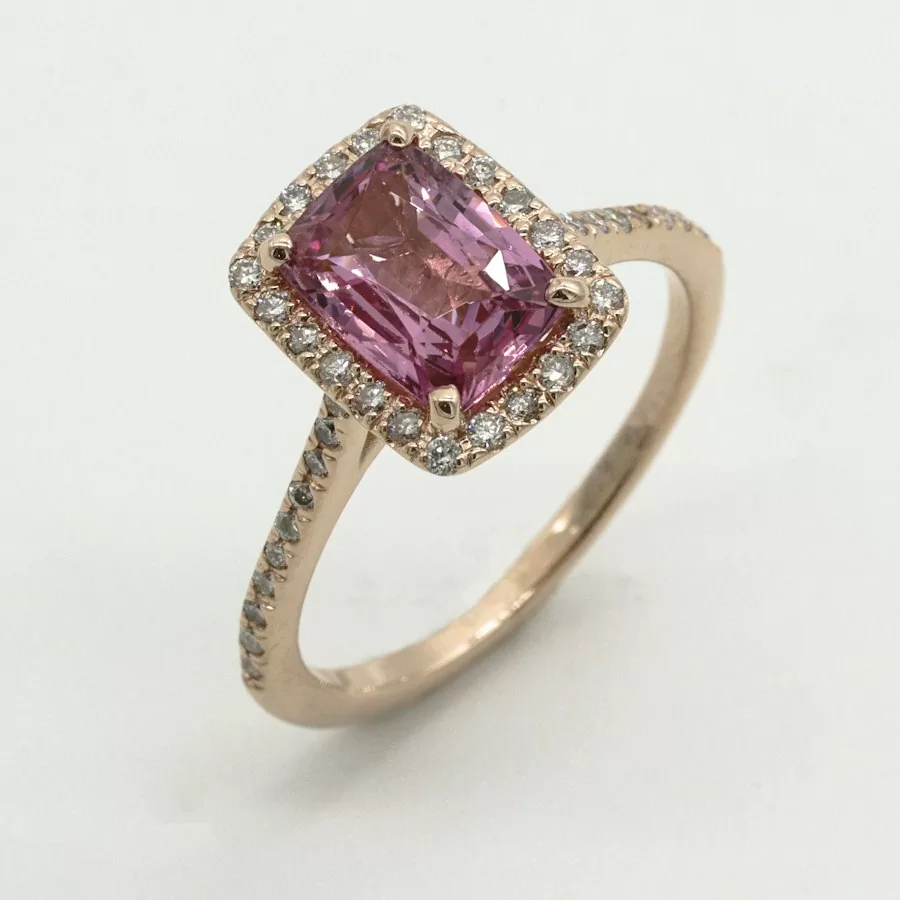
Polishing uses progressively finer compounds and buffing wheels to bring the metal to a mirror shine. It is the default look for most engagement rings and wedding bands because it makes white gold, platinum, and yellow gold pop. Polished surfaces also make prongs and pavé stones catch light, which is why solitaire heads are almost always buffed to a high shine.
The trade-off is visibility. A polished finish shows micro-scratches almost immediately. Keys in a pocket, a desk edge, a laptop lid, all leave faint lines in the mirror surface. On platinum those lines look like soft swirls; on rhodium-plated white gold they can look dull until the next dip.
02What a brushed or matte finish is
A brushed finish uses a fine abrasive belt or wheel to lay tiny uniform lines across the metal, usually running along the length of the band. A matte or sandblasted finish goes further, creating a soft, non-reflective surface. Both scatter light, which means everyday scuffs blend into the existing texture instead of standing out.
For an active wearer, a brushed band often looks essentially the same after two years as it did on day one. That is why many men's bands and low-maintenance wedding rings ship with a brush finish standard.
03How each finish ages
Polished rings develop a soft, satin "patina" of wear over a year or two. Many owners actually like that lived-in look. If you do not, a professional polish every year or two restores the mirror, but each polish removes a tiny amount of metal. On a thin shank, repeated polishing eventually matters, which ties into what we cover in resizing a ring too many times.
Brushed bands age more gracefully in terms of visible scratches, but they can dull where the band rubs against another ring or against a neighboring finger. A brushed engagement ring stacked against a polished wedding band will often wear shiny on the contact edge. That is not damage; it is just the friction polishing one spot.
04Two-tone and mixed-finish designs
You do not have to choose one finish across the whole ring. A common custom design is a brushed center with polished edges, or a polished cathedral bezel on a brushed band. This "mixed finish" approach gives you the shine where light hits the stone and the scratch-hiding texture on the high-contact surfaces. Two-tone wedding bands pair naturally with mixed finishes, since contrasting metals already draw the eye.
05Which finish fits your lifestyle
Choose polished if you: work at a desk, rarely use your hands aggressively, love a mirror shine, or are setting a center stone that should catch light. Choose brushed or matte if you: garden, lift weights, build, cook daily, dislike visible scratches, or prefer a low-maintenance band. Choose a mixed finish if you want both.
One more factor: skin tone and metal color. Bright yellow gold pops harder when polished, while rose gold looks softer and more modern brushed. If you are still deciding on the base metal, choosing the metal for an engagement ring and the finish choice go hand in hand.
06Cleaning changes the way a finish reads
How you clean the ring also changes how the finish ages. A polished band loves a gentle ultrasonic and a soft cloth; a brushed band can be cross-hatched by a stiff brush that lays new lines against the grain. We see this all the time: a client runs a brushed ring under a bristled toothbrush and suddenly the finish looks streaky. For brushed and matte pieces, stick to warm soapy water and a soft cloth, and leave any professional polishing to a bench that knows how to re-align the grain. Polished pieces tolerate more, but as we note in ultrasonic cleaning safety, even polished rings with soft stones need a gentler cycle.
07Can you change the finish later?
Yes. Polished-to-brushed is an easy bench job. Brushed-to-polished is also possible but removes the texture entirely, so it cannot be reversed without re-texturing. If you are torn, start brushed: it is the easier finish to live with daily, and upgrading to a mirror shine later is a short service visit.
08The short version
Polish for shine and stone brilliance; brush for scratch resistance and low maintenance. Many of the best custom rings split the difference with a mixed finish. Pick deliberately at design approval, and your ring will keep looking intentional long after the first year of scratches arrives.
The Wikipedia article on rhodium explains why rhodium plating is applied to white gold and silver jewelry.
09Related Reading
10Frequently Asked Questions
How do I verify a factory before placing a bulk order?
Request a production video, business license, export records and a paid sample run. A factory that accepts a 50-piece test order is usually a real manufacturer.
What payment terms do you offer?
30% T/T deposit with the balance against the bill of lading. This protects both sides on first orders and can move to net terms after a track record.
What is your normal reject rate?
3–5% under 10x loupe inspection for cast and set pieces. Defective units are replaced free in the next shipment.
Where is the factory located?
Wuzhou, Guangxi, China—the core lab-grown and moissanite manufacturing cluster. Shipments go via Guangzhou or Shenzhen ports.
Send a sketch or a photo — our setter will answer with stone options and a price band.
Talk to the atelier


