Bridal Bracelets: Building a Long-Term - JewelF & Co.
Bench notes · The Journal
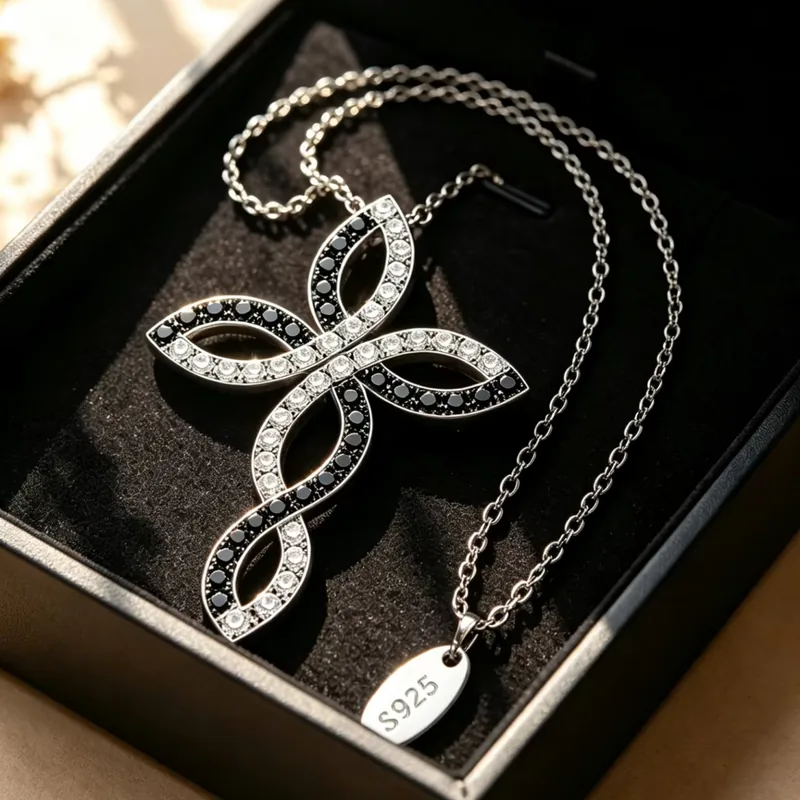
Every bridal bracelets program eventually has a bad lot. The difference between a supplier you keep and one you replace is whether the relationship was built on documents or on discounts.
01What to put in the framework agreement
Five clauses: price validity, forecast window, QC standard, remedy matrix and IP ownership. On bridal bracelets, these five cover most of what goes wrong in a year.
Keep the agreement short and specific. A ten-page contract with vague QC language protects nobody.
Photograph the first article before the batch runs. A shifted seat or a short prong is cheapest to fix at one piece.
02The quarterly review
Review four numbers every quarter: on-time rate, first-pass inspection rate, claim rate by defect type, and price movement against alloy. A supplier that improves on three of four is worth keeping.
Put the numbers on one page and send it before the call. On bridal bracelets, a data-based review changes the conversation from complaint to planning.
| Framework clause | What it fixes | Review cadence |
|---|---|---|
| Price validity | Unannounced increases | Quarterly |
| Forecast window | Capacity allocation | Quarterly |
| QC standard | Claim disputes | Per lot |
| Remedy matrix | Slow settlements | Per claim |
| IP ownership | Design reuse | Annual |
Read the table as a checklist rather than a recommendation. The right row depends on the price band, the wear pattern and the channel you sell into.
Keep the CAD file and the mold receipt. Ownership is a document, not an understanding.
03Capacity and priority
Ask for a capacity statement: benches, setters, plating lines and the share of capacity you hold. In peak season, priority is the thing that decides whether you get a slot.
A supplier that will not state your share of capacity is a supplier that will deprioritise you when a bigger account calls.
04Exit that does not break the program
Keep the CAD files, the approved samples, the spec sheets and the mold ownership. Line up a second approved source for the top three designs before you need it.
An exit plan is not distrust; it is what lets you stay in the relationship on your terms. On bridal bracelets, the buyers who can leave are the ones who get treated well.
Write the remedy before the defect. A matrix agreed in calm weather is the only thing that settles a claim in a storm.
05What to check before the order
Run the five checks below in order. The first two protect the money, the last three protect the launch date.
If a supplier cannot answer three of the five, treat the quote as a starting point rather than a plan. Ask again in writing and keep the answer with the PO.
06Frequently Asked Questions
How do I keep a good bridal bracelets supplier?
Pay on time, give a real forecast, and review with data. Suppliers prioritise buyers who are predictable.
Should I sign an exclusive agreement?
Only with a capacity commitment and a price formula. Exclusivity without capacity is a lock with no key.
How do I handle a price increase?
Ask for the cost driver and the notice period. Tie increases to alloy or stone movement, not to a general claim.
What if the factory reuses my design?
Own the CAD and the mold in writing, and register the design where you can. The clause is cheaper than the dispute.
How often should we review?
Quarterly on numbers, annually on the agreement.
How do I know a supplier is reliable?
Two clean repeat lots and two on-time shipments. Before that it is a sample, not a supplier.
Send the bridal bracelets program size and forecast. We return a framework template with the five clauses and a one-page quarterly scorecard. See the full range at JewelF & Co..
None of this is exotic. It is a document, a measurement and a date, repeated until it becomes a process.
Send a sketch or a photo — our setter will answer with stone options and a price band.
Talk to the atelier


