Black Rhodium Jewelry: What the Dark Finish Really Is
Bench notes · The Journal
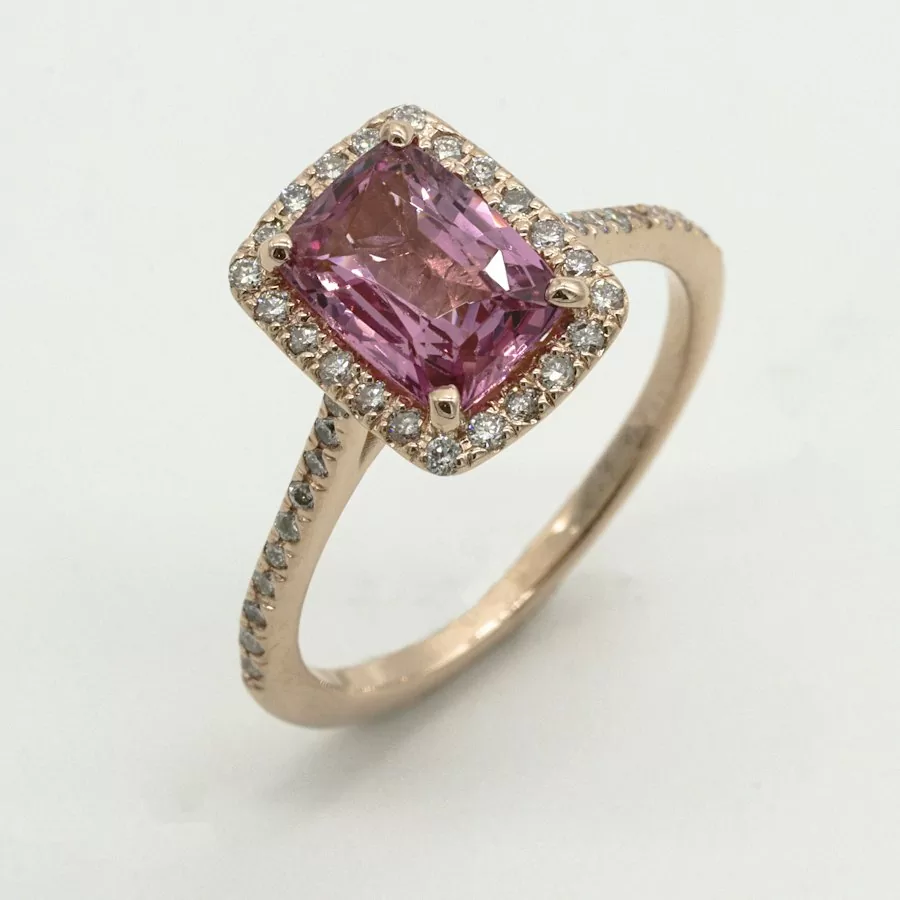
Black rhodium (EU ECHA nickel safety regulations) jewelry looks like it was carved from obsidian. A near-black ring with a single bright diamond, or a pair of dark earrings that glow against skin, reads modern and intentional. The surprise most clients discover is that underneath the finish, the ring is almost always standard white gold, silver, or platinum. Black rhodium is a plating, not a metal you cast in. Once you understand that, the whole conversation about cost, durability, and care becomes clearer.
01What black rhodium actually is
Rhodium is a precious platinum-group metal normally plated in a thin layer to make white gold look brilliant and pure white. Black rhodium is the same electroplating process, but the bath produces a dark, near-black surface. It is applied in microns, which is why our standard rhodium work is measured in plating thickness in microns. The dark layer is exceptionally thin, which is the whole story behind how it wears.
Because it is plated over a bright base, black rhodium develops a natural and attractive patina: the high points where your finger rubs the band wear through to the lighter metal underneath, while recessed areas stay dark. Many clients love that lived-in contrast, but some are surprised by it. If you want a perfectly uniform black forever, plating alone will not deliver that.
02How it wears, and when to re-dip
A daily-wear black rhodium ring typically starts showing bright edges in six months to two years, depending on how rough the wearer is. Re-plating, often called a re-dip, is a standard, affordable service that restores the dark finish. We cover the routine side of this in our guide to rhodium re-plating. The important planning point is that black rhodium is a maintenance finish, like a fresh coat of paint, not a permanent state.
If the idea of periodic re-plating feels like a hassle, we will often point clients toward a more permanent dark option such as PVD coating, which is thicker and harder. That trade-off is explored in our separate comparison of PVD coating versus rhodium plating.
03Styling with contrast
The reason designers reach for black rhodium is contrast. A colorless diamond sitting in a dark setting appears whiter and brighter than the same diamond in yellow gold. Dark settings also flatter fancy-colored stones: a blackened mounting makes a blue sapphire or a champagne diamond look deeper. For men's pieces, a dark finish on a signet or band reads understated rather than flashy, which is part of why men's custom jewelry has embraced the look.
Two-tone effects are built into the plating itself. We can mask parts of a piece before plating, leaving bright polished edges on a dark band, creating a two-tone look without soldering different metals together. That technique gives a lot of design range on a single casting.
04What not to expect
Black rhodium will not survive heavy abuse as a permanent coating. It is not enamel, which is fired and thicker but more brittle. It is not oxidation on silver, which produces a gray rather than a true black. And it is not a solid black metal. If a vendor quotes you a solid black gold ring that costs the same as a normal gold ring, you are looking at plating, not something new under the hood.
05Custom manufacturing notes
We cast and finish the piece in the base metal first, polishing it to the final surface you want beneath the dark. Plating is one of the last steps, after all sizing, soldering, and stone setting are complete, because any heat or polishing after plating would strip the finish. That sequencing is exactly why custom ring timelines have plating near the end. The final reveal, when the dark finish goes on, is the step that makes the whole design click.
Black rhodium is a tool, not a destination. Used deliberately, it creates some of the most striking jewelry we build. Used without understanding that it wears, it becomes a disappointment. Come to the design table knowing it will patina and need a re-dip, and you will end up with a piece you love through every stage of its finish.
06Cleaning a black rhodium piece
Cleaning a dark finish is gentler than you might expect. Skip silver dips, abrasive cloths, and ultrasonic machines, all of which strip or dull the plating. A soft brush with warm soapy water, rinsed and patted dry, is enough. Because the dark finish shows fingerprints and oils more readily than bright metal, many owners clean their pieces weekly, which is quick and keeps the contrast sharp. When the bright wear edges start to bother you, that is the signal for a re-dip rather than a reason to polish harder. Polishing a plated ring only removes more of the finish you are trying to preserve.
07Related Reading
08Frequently Asked Questions
How do I verify a factory before placing a bulk order?
Request a production video, business license, export records and a paid sample run. A factory that accepts a 50-piece test order is usually a real manufacturer.
What payment terms do you offer?
30% T/T deposit with the balance against the bill of lading. This protects both sides on first orders and can move to net terms after a track record.
What is your normal reject rate?
3–5% under 10x loupe inspection for cast and set pieces. Defective units are replaced free in the next shipment.
Where is the factory located?
Wuzhou, Guangxi, China—the core lab-grown and moissanite manufacturing cluster. Shipments go via Guangzhou or Shenzhen ports.
Send a sketch or a photo — our setter will answer with stone options and a price band.
Talk to the atelier


